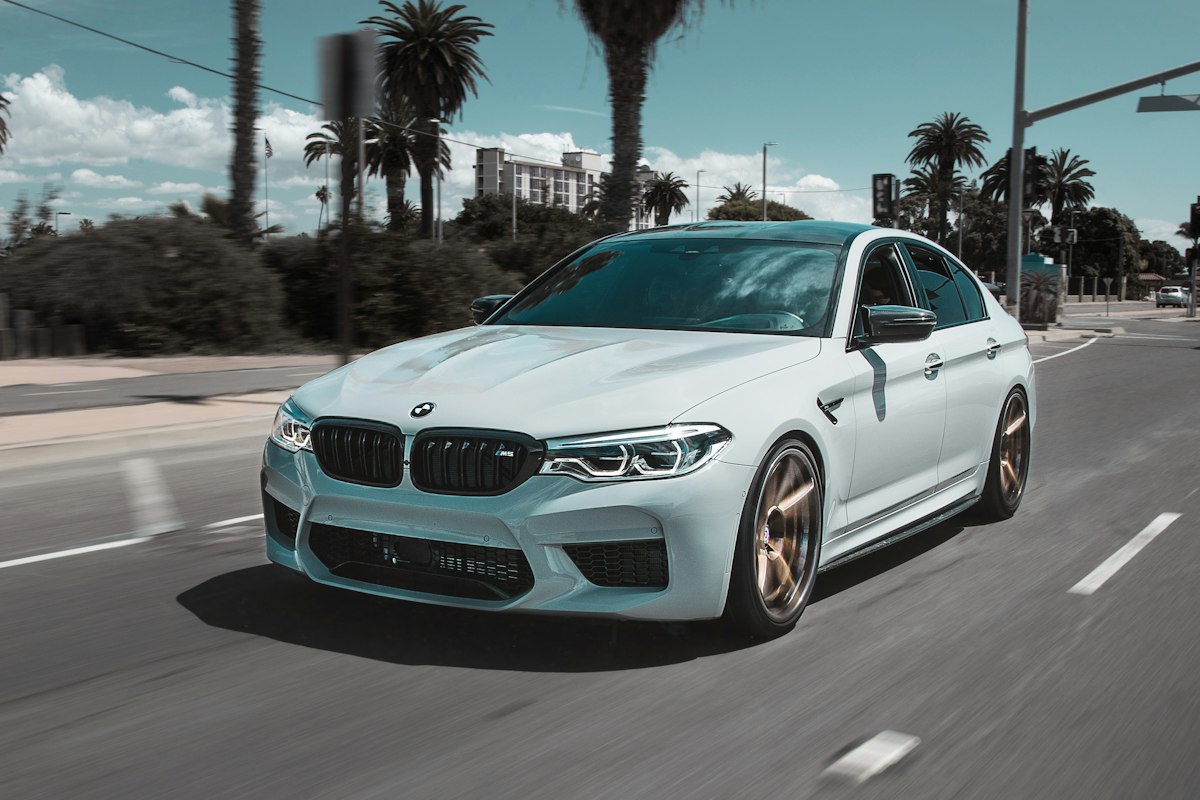
What Are the Best Luxury Cars for Road Trips in 2026?
The best luxury cars for road trips are not merely comfortable sedans with leather seats. They are purpose-built grand tourers—vehicles engineered to dissolve 500-mile days into effortless cruising. In 2026, the grand touring segment has evolved beyond traditional gasoline-powered flagships to include electric sedans that deliver silence and torque, plug-in hybrids that eliminate fuel stops, and diesel-powered luxury SUVs that stretch range to 700+ miles per tank.
What separates a great road-trip car from a merely good one is a combination of attributes that do not show up on spec sheets: seat comfort after six hours, wind noise at 80 MPH, suspension compliance over broken interstate pavement, and the intuitive ease of adaptive cruise control that does not require constant intervention. The luxury road trip cars that excel at these invisible metrics transform cross-country drives from endurance tests into experiences you actually look forward to.
This guide ranks the top 10 luxury cars for long drives in 2026, breaks down pricing and fuel economy, compares comfort features and driver assistance technology, and explains how to choose the right vehicle for your specific road-trip style. Whether you are crossing three states in a weekend or embarking on a month-long national park tour, one of these vehicles will make the journey as memorable as the destination.
What Are the Top Luxury Cars for Road Trips?
The best grand touring cars 2026 span sedans, wagons, SUVs, and electric vehicles. Here are the top 10 ranked by overall road-trip excellence:
| Rank | Model | Starting MSRP | Body Style | Range/MPG | Key Road-Trip Strength |
|---|---|---|---|---|---|
| 1 | Porsche Panamera | $102,800 | Sedan/Wagon | 19–23 MPG | Best driving dynamics + comfort balance |
| 2 | Mercedes-Benz S-Class | $117,750 | Sedan | 21–26 MPG | Most comfortable rear seat |
| 3 | BMW 7 Series | $97,300 | Sedan/Electric | 25–28 MPG / 321 mi | Best rear entertainment + tech |
| 4 | Audi A8 | $92,000 | Sedan | 19–24 MPG | Quietest cabin, best ride isolation |
| 5 | Genesis G90 | $89,700 | Sedan | 20–24 MPG | Best value, exceptional noise cancellation |
| 6 | Lexus LS 500h | ~$82,000 | Sedan | 33–35 MPG | Best fuel economy, bulletproof reliability |
| 7 | BMW i7 | $105,700 | Electric Sedan | 320 mi EPA | Silentest cabin, hands-free highway driving |
| 8 | Range Rover Sport D300 | ~$66,000 | SUV | 38.8 MPG diesel | Longest range per tank (700+ miles) |
| 9 | Volvo S90 Recharge | $58,300 | Sedan | 35 mi EV + 28 MPG hybrid | Plug-in efficiency, safest cabin |
| 10 | Lincoln Navigator | $99,995 | SUV | 16–18 MPG | Most spacious, Rejuvenate mode for driver |
The Porsche Panamera sits at the top of this list because it is the only vehicle that delivers genuine sports-car handling without sacrificing long-distance comfort. The standard air suspension, 14-way power seats with memory, and a cabin that remains whisper-quiet at triple-digit speeds make the Panamera the driver's choice for cross-country touring. The 4S E-Hybrid variant produces 552 horsepower while returning meaningful electric range for urban segments, and the Sport Turismo wagon body adds cargo capacity without compromising the silhouette.
The Mercedes-Benz S-Class is the passenger's choice. US News gives it an interior score of 9.9 out of 10 and calls it "one of the finest luxury vehicles you can buy." The S-Class provides an exemplary driving experience, and the seats are supple and supportive over infinite miles. The available 4D Burmester sound system with 31 speakers and seat exciters transforms the cabin into a concert hall. For buyers who prefer to be driven—or who want their family to arrive as refreshed as they departed—the S-Class is unmatched.
The Audi A8 earns its place through ride quality alone. US News describes the A8 as having a "supple" ride, an "elegant" interior, and "plush and roomy" seats. While it is not as quick or agile as the BMW 7 Series, the A8's isolation from road noise and wind intrusion is superior to both the S-Class and 7 Series. For buyers who prioritize serenity over speed, the A8 is the rational choice.
How Much Do Luxury Road Trip Cars Cost?
The luxury road trip car segment spans a wide price range in 2026. Entry-level grand tourers start around $58,000, while flagship variants with extended-wheelbase configurations and rear-seat entertainment systems can exceed $180,000.
2026 Luxury Road Trip Car Pricing Breakdown:
| Model | Base MSRP | Top Trim MSRP | Typical Road-Trip Configuration |
|---|---|---|---|
| Porsche Panamera | $102,800 | $226,500 | 4S E-Hybrid (~$120,000) |
| Mercedes-Benz S-Class | $117,750 | $186,200 | S 580 4MATIC (~$135,000) |
| BMW 7 Series | $97,300 | $122,400 | 740i xDrive with rear entertainment (~$115,000) |
| Audi A8 | $92,000 | ~$130,000 | A8 L 55 TFSI (~$100,000) |
| Genesis G90 | $89,700 | $100,000+ | 3.5T e-Supercharger (~$101,000) |
| Lexus LS 500h | ~$82,000 | ~$102,000 | LS 500h Luxury (~$95,000) |
| BMW i7 | $105,700 | $168,500 | i7 xDrive60 (~$120,000) |
| Range Rover Sport D300 | ~$66,000 | ~$120,000 | D300 SE (~$75,000) |
| Volvo S90 Recharge | $58,300 | $71,200 | T8 Recharge Ultra (~$65,000) |
| Lincoln Navigator | $99,995 | ~$110,000 | Reserve with BlueCruise (~$105,000) |
At the value end, the Volvo S90 Recharge and Range Rover Sport D300 deliver genuine luxury road-trip capability for under $75,000. The S90's plug-in hybrid powertrain offers 35 miles of electric-only range for silent urban cruising, plus a 2.0-liter turbocharged and supercharged four-cylinder that delivers 455 horsepower when the battery is depleted. The Range Rover Sport's diesel engine returns 38.8 MPG—exceptional for a vehicle of its size—and delivers a 700+ mile range per tank, eliminating the fuel-stop frequency that interrupts long drives.
At the opposite extreme, the Porsche Panamera Turbo S E-Hybrid starts at $226,500 and produces 690 horsepower. It is excessive for road-trip duty, but the 4S E-Hybrid at $120,000 offers the ideal balance of performance, efficiency, and comfort. The Mercedes-Maybach S 680 at $186,200 is the ultimate passenger experience, with reclining rear seats, individual entertainment screens, and a champagne cooler.
Ownership Costs for Road-Trip Vehicles:
Long-distance driving amplifies ownership costs. Factor in:
- Fuel: A 3,000-mile road trip costs approximately $450 in a 25 MPG vehicle, $300 in a 35 MPG hybrid, and $150 in a plug-in hybrid with regular charging
- Tires: High-performance tires on the Panamera and S-Class wear faster on long highway drives; budget $1,200–$2,000 per set
- Insurance: Luxury sedans cost $2,500–$5,000 annually to insure; the Panamera and S-Class sit at the upper end
- Depreciation: The Range Rover Sport retains 71.6% of its value after three years—the best in the segment
What Features Make a Car Great for Road Trips?
The features that make a car great for road trips are not the same as the features that make a car great for daily commuting. Road-trip excellence requires a specific combination of comfort, technology, and practicality that only a handful of vehicles deliver.
Seat Comfort:
The most important feature for long-distance driving is the seat. After six hours, a mediocre seat becomes a torture device, while a great seat disappears beneath you. The best road-trip seats include:
- Multi-way power adjustment: 18-way or more, including thigh extension, lumbar support, and side bolsters
- Ventilation: Heated and ventilated seats prevent the sticky, sweaty discomfort of summer drives
- Massage: Multi-mode seat massage reduces fatigue on drives longer than three hours
- Memory settings: Save driver and passenger preferences for instant recall
The Mercedes S-Class and BMW 7 Series offer the most comprehensive seat packages, with multi-contour seats that include active side bolsters, pneumatic lumbar support, and six massage programs. The Lincoln Navigator adds a unique feature called Lincoln Rejuvenate, which plays relaxing sounds, activates seat massagers while reclining the driver's seat, spritzes scent into the cabin, and shows soothing landscapes on the panoramic screen.
Noise Isolation:
Wind and road noise are the enemies of long-distance comfort. The best road-trip cars use laminated glass, active noise cancellation, and aerodynamic design to create a silence that reduces driver fatigue. The Genesis G90 is the surprise winner here—its active noise cancellation and laminated glass create a cabin quieter than the S-Class at highway speeds. The BMW i7 is the quietest vehicle on this list by default, as its electric powertrain produces no engine noise whatsoever.
Driver Assistance Technology:
Adaptive cruise control with lane-centering is the single most valuable technology for road trips. It reduces the mental workload of maintaining speed and position, allowing the driver to arrive less fatigued. The best systems include:
- BMW Highway Assistant: Hands-free driving on mapped highways at speeds up to 85 MPH (7 Series, i7, i5)
- Mercedes Drive Pilot: SAE Level 3 conditional autonomy on select highways (S-Class)
- Lincoln BlueCruise: Hands-free highway driving standard on the Navigator
- Volvo Pilot Assist: Semi-autonomous driving with smooth lane-centering (S90)
Cargo and Storage:
A week-long road trip generates significant luggage. The Porsche Panamera Sport Turismo offers 18.3 cubic feet of cargo space behind the rear seats—more than most sedans. The Lincoln Navigator offers 103.3 cubic feet with the third row folded, making it the cargo champion. For sedan buyers, the BMW 7 Series and Audi A8 both offer spacious trunks with power-operated lids.
Infotainment and Connectivity:
Rear-seat passengers need entertainment on long drives. The BMW 7 Series offers an optional 31.3-inch 8K rear-seat theater screen with Amazon Fire TV integration—passengers can stream movies, browse the internet, and even hold video conferences. The Mercedes S-Class offers dual 11.6-inch rear screens with individual controls. The Porsche Panamera and Audi A8 both offer rear-seat entertainment packages, though they are less comprehensive than the BMW's theater screen.
How Do You Choose a Luxury Car for Road Trips?
How to Choose a Luxury Car for Road Trips
Selecting the right luxury car for road trips requires matching the vehicle to your specific travel patterns, passenger needs, and budget. Here is a decision framework:
Step 1: Define Your Typical Road Trip
- Weekend getaways (200–400 miles): Any vehicle on this list will work. Prioritize driving enjoyment and style.
- Cross-country drives (1,000+ miles): Prioritize seat comfort, noise isolation, and fuel efficiency. The Mercedes S-Class, Genesis G90, and Lexus LS 500h excel here.
- Family vacations (4+ passengers): Prioritize rear-seat space and cargo capacity. The Lincoln Navigator, BMW 7 Series, and Range Rover Sport are the best choices.
- Solo or couple touring: Prioritize driving dynamics and fuel range. The Porsche Panamera and BMW i7 are ideal.
Step 2: Establish Your Fuel Strategy
- Gasoline: Widely available, quick refueling. The Mercedes S-Class, BMW 7 Series, and Audi A8 are the best gasoline-powered options.
- Diesel: Exceptional range and efficiency. The Range Rover Sport D300 delivers 38.8 MPG and 700+ miles per tank.
- Plug-in hybrid: Electric range for urban segments, gasoline for highway. The Porsche Panamera 4S E-Hybrid and Volvo S90 Recharge are the best PHEV road-trip cars.
- Fully electric: Silent, instant torque, lowest fuel cost. The BMW i7 and Lucid Air are the best EVs for road trips, provided your route includes fast-charging stations.
Step 3: Prioritize Your Non-Negotiables
Rank these features in order of importance:
- Seat comfort and massage functions
- Noise isolation and cabin quietness
- Adaptive cruise control and lane-centering quality
- Fuel efficiency and range per tank/charge
- Rear-seat entertainment and passenger comfort
- Cargo capacity
- Driving dynamics and handling
- Brand prestige and resale value
Step 4: Test Drive on the Highway
A 15-minute city test drive reveals nothing about road-trip suitability. Request an extended highway test drive of at least 30 minutes. Pay attention to:
- Wind noise at 70–80 MPH
- Seat comfort after 20 minutes of continuous driving
- Ride quality over expansion joints and broken pavement
- Adaptive cruise control smoothness in traffic
- Infotainment ease of use while driving
Step 5: Evaluate Total Trip Cost
Calculate the total cost of your typical road trip:
- Fuel/electricity costs
- Tire wear (high-performance tires wear faster on long drives)
- Insurance (comprehensive coverage is essential for out-of-state travel)
- Maintenance (pre-trip inspection, oil changes, brake checks)
What Is the Most Comfortable Luxury Car for Long Drives?
The most comfortable luxury car for long drives is the Mercedes-Benz S-Class, though the Genesis G90 and BMW i7 are close contenders. Comfort on long drives is determined by a combination of seat design, suspension tuning, noise isolation, and climate control—and the S-Class excels in every category.
Mercedes S-Class: The S-Class's AIRMATIC air suspension with E-Active Body Control reads the road ahead using cameras and adjusts the suspension in milliseconds. The result is a ride that floats over broken pavement, expansion joints, and potholes as if they do not exist. The seats offer 18-way power adjustment, ventilation, heating, and six massage programs. The rear seats recline, and the available rear-seat entertainment system keeps passengers occupied. US News gives the S-Class an interior score of 9.9 out of 10—the highest of any vehicle on the road.
Genesis G90: The G90 is the surprise comfort champion. Its active noise cancellation and laminated glass create a cabin quieter than the S-Class at highway speeds. The seats are designed by ergonomics specialists and offer a "zero gravity" recline position that reduces spinal pressure. At $89,700—$28,000 less than the S-Class—the G90 delivers 95% of the comfort at 75% of the price. For buyers who want flagship comfort without the flagship price, the G90 is the answer.
BMW i7: The i7's electric powertrain eliminates engine noise, vibration, and harshness entirely. The available 31.3-inch rear-seat theater screen, reclining rear seats with leg rests, and massage functions create a mobile first-class cabin. The i7's air suspension is tuned for comfort rather than sport, and the result is a ride that rivals the S-Class for isolation. The only compromise is range anxiety on truly long drives—320 miles is sufficient for most legs, but charging stops add time.
Lincoln Navigator: For families, the Navigator is the comfort king. Its fully redesigned interior for 2025 includes "downright plush seating" and the Lincoln Rejuvenate mode, which US News describes as a feature they would use "every day if I had a Navigator." The massive interior space means no passenger is cramped, and the ride remains smooth even over rough pavement. The trade-off is fuel economy—16–18 MPG means frequent stops on cross-country trips.
Are Luxury Cars Worth It for Road Trips?
The question of whether luxury cars are worth it for road trips depends on how frequently you drive long distances and how much you value the experience of the journey itself.
What You Get for the Premium:
| Feature | Mainstream Car (e.g., Toyota Camry) | Luxury Road Trip Car (e.g., Mercedes S-Class) |
|---|---|---|
| Base Price | ~$28,000 | ~$118,000 |
| Seat Comfort | Adequate for 2–3 hours | Supple and supportive for 8+ hours |
| Ride Quality | Comfortable | Air suspension, active noise cancellation |
| Noise Isolation | Moderate wind/road noise | Whisper-quiet at 80 MPH |
| Driver Assistance | Basic adaptive cruise | Hands-free highway driving, Level 3 autonomy |
| Rear-Seat Entertainment | None | 31-inch 8K theater screen, individual controls |
| Fuel Economy | 28–32 MPG combined | 21–26 MPG (gas) / 33–35 MPG (hybrid) |
| Reliability | Excellent | Variable (Lexus excellent, German mixed) |
The Case for Mainstream Cars: The Toyota Camry Hybrid and Honda Accord Hybrid deliver comfortable seats, excellent fuel economy (44–48 MPG), and reliable adaptive cruise control for under $35,000. For buyers who take one or two road trips per year and view the car primarily as a commuter, these mainstream options are the smarter financial choice. The money saved—$80,000+—could fund multiple vacations in any vehicle.
The Case for Luxury Road Trip Cars: A Mercedes S-Class, Porsche Panamera, or Genesis G90 justifies its price for buyers who:
- Drive 15,000+ highway miles annually
- Take multiple long-distance trips per year
- Value arriving refreshed rather than fatigued
- Transport clients, family members, or executives who expect a premium experience
- Want the safety margin of advanced driver assistance systems
- Prioritize the intangible pleasure of a perfectly tuned suspension and silent cabin
The Hybrid Approach: Many savvy road-trippers split the difference. The Volvo S90 Recharge at $58,300 delivers genuine luxury interior quality, 35 miles of electric range, and a comfortable highway ride at a price $30,000–$60,000 below the German flagships. The Range Rover Sport D300 at $66,000 offers 38.8 MPG and 700+ miles of range—meaning fewer fuel stops and lower trip costs than gasoline alternatives.
Bottom Line: A luxury road-trip car is worth the investment if you drive long distances frequently enough that comfort, noise isolation, and driver assistance meaningfully improve your experience. If your road trips are annual events and your daily commute is short, the premium is better spent on destination experiences rather than transportation.
What Luxury Cars Have the Best Fuel Economy?
Fuel economy matters on road trips—not just for cost savings, but for reducing the frequency of stops that interrupt momentum and extend travel time. The most fuel-efficient luxury cars for 2026 span hybrids, plug-in hybrids, diesels, and electric vehicles.
2026 Luxury Road Trip Car Fuel Economy Comparison:
| Model | Powertrain | EPA MPG/MPGe | Highway Range | Annual Fuel Cost* |
|---|---|---|---|---|
| BMW i7 | Electric | 89 MPGe | 320 miles | $550 |
| Lexus LS 500h | Hybrid | 33 city / 35 hwy | ~650 miles | $1,200 |
| Volvo S90 Recharge | Plug-in Hybrid | 35 mi EV + 28 MPG | ~550 miles | $900 |
| Range Rover Sport D300 | Diesel | 38.8 MPG (WLTP) | ~700 miles | $1,400 |
| Porsche Panamera 4S E-Hybrid | Plug-in Hybrid | 25 mi EV + 23 MPG | ~500 miles | $1,500 |
| Genesis G90 | Gasoline V6 | 20 city / 24 hwy | ~520 miles | $1,800 |
| Mercedes S 580 | Gasoline V8 | 16 city / 26 hwy | ~480 miles | $2,100 |
| BMW 740i | Gasoline I6 | 25 city / 28 hwy | ~520 miles | $1,600 |
| Audi A8 L 55 | Gasoline V6 | 19 city / 24 hwy | ~500 miles | $1,900 |
| Lincoln Navigator | Gasoline V6 | 16 city / 18 hwy | ~420 miles | $2,400 |
*Based on 15,000 annual miles, $3.50/gallon gasoline, $0.14/kWh electricity
The BMW i7 is the efficiency champion. At 89 MPGe and an annual fuel cost of approximately $550, the i7 costs 75% less to fuel than a gasoline-powered S-Class. However, charging infrastructure remains a consideration for cross-country trips. The Lexus LS 500h is the best gasoline-powered option, returning 35 MPG on the highway with no charging infrastructure required. The Range Rover Sport D300 is the range champion, with its 38.8 MPG diesel engine and 700+ miles of highway range per tank—meaning fewer stops and more continuous driving.
Real-World Fuel Economy Tips for Road Trips:
- Drive 65–70 MPH instead of 80+ MPH. Aerodynamic drag increases exponentially with speed. Reducing highway speed by 10 MPH can improve fuel economy by 15–20%.
- Use cruise control on flat terrain. Maintaining constant speed is more efficient than manual acceleration and deceleration.
- Precondition EVs while plugged in. Heating or cooling the cabin while connected to a charger preserves battery range.
- Avoid roof boxes when possible. A roof box increases drag and can reduce fuel economy by 5–10%.
- Maintain proper tire pressure. Underinflated tires increase rolling resistance and reduce fuel economy by 3–5%.
Porsche Panamera: Best Luxury Road Trip Car?
The Porsche Panamera is the best luxury road trip car for buyers who refuse to choose between driving enjoyment and long-distance comfort. It is the only vehicle on this list that delivers genuine sports-car dynamics without punishing its occupants on multi-hour drives.
Why the Panamera Wins for Road Trips:
- Driving dynamics: The Panamera's chassis is derived from Porsche's sports-car engineering. The adaptive air suspension, rear-axle steering, and torque-vectoring rear differential deliver handling precision that embarrasses most sedans. On winding mountain roads, the Panamera is genuinely fun to drive. On straight interstates, it settles into a relaxed, stable cruise.
- Powertrain variety: The Panamera offers a range of engines from a 325-horsepower V6 to a 690-horsepower Turbo S E-Hybrid. The sweet spot for road trips is the 4S E-Hybrid, which produces 552 horsepower and offers meaningful electric range for silent urban cruising. The Sport Turismo wagon body adds cargo capacity without compromising the driving experience.
- Seat comfort: The 14-way power seats with memory, ventilation, and optional massage functions are supportive without being overly bolstered. The driving position is low and sporty, yet visibility is excellent.
- Noise isolation: Porsche's acoustic engineering creates a cabin that is quiet at 80 MPH but not isolated. Engine and exhaust notes are present when you want them, absent when you do not.
- Practicality: The Sport Turismo offers 18.3 cubic feet of cargo space behind the rear seats—more than the BMW 7 Series or Mercedes S-Class sedans. The hatchback opening makes loading luggage easier than a traditional sedan trunk.
Panamera Weaknesses for Road Trips:
- Fuel economy: The V6 models return 19–21 MPG combined, and the Turbo S E-Hybrid drops to 23 MPG when running on gasoline alone. Cross-country trips require frequent fuel stops.
- Rear-seat space: While comfortable, the Panamera's rear seat is tighter than the S-Class or 7 Series. Tall passengers may find headroom limited.
- Price: At $102,800, the Panamera is expensive. A well-equipped 4S E-Hybrid Sport Turismo approaches $140,000.
- Reliability: Porsche's reliability is strong, but maintenance costs are high. A pre-trip inspection is essential.
Best Panamera Configuration for Road Trips: The 4S E-Hybrid Sport Turismo with the Premium Package, ventilated seats, and adaptive cruise control offers the ideal combination of performance, efficiency, and practicality. Budget $130,000–$140,000.
Audi A8: What to Know
The Audi A8 is the most underrated vehicle on this list. It does not generate the headlines of the S-Class or the enthusiast devotion of the Panamera, but for buyers who prioritize quiet comfort above all else, the A8 is the rational choice.
Why the A8 Excels for Road Trips:
- Ride quality: The A8's air suspension is tuned for suppleness rather than sport. US News describes the ride as "supple," and the interior as "elegant." The A8 absorbs broken pavement and expansion joints with a compliance that rivals the S-Class, though it lacks the Mercedes's active body control system.
- Cabin quietness: The A8's laminated glass and acoustic insulation create a cabin that is quieter than the BMW 7 Series at highway speeds. Wind noise is minimal, and road noise is well-suppressed. For buyers who want to hold conversations at normal volume at 80 MPH, the A8 is ideal.
- Seat comfort: Standard heated, ventilated, and 22-way power-adjustable front seats offer more adjustment range than most competitors. The rear seats are plush and roomy, though they lack the reclining and massage functions of the S-Class.
- Predictable handling: The A8 is not as quick or agile as the BMW 7 Series, but it is more predictable. The quattro all-wheel-drive system provides confidence in rain and snow, and the steering is light and accurate without being darty.
A8 Weaknesses for Road Trips:
- Fuel economy: The A8 L 55 TFSI returns 19 MPG city and 24 MPG highway—below average for the segment. The lack of a hybrid or diesel option limits efficiency.
- Infotainment complexity: Audi's MMI touch response system is less intuitive than BMW's iDrive. The haptic feedback adds a satisfying physicality, but the learning curve is steeper.
- Rear-seat entertainment: The A8 offers rear screens, but they are smaller and less comprehensive than the BMW 7 Series's theater screen.
- Value proposition: At $92,000, the A8 is priced competitively with the Genesis G90, but the Genesis offers more features and a longer warranty.
Best A8 Configuration for Road Trips: The A8 L 55 TFSI quattro with the Executive Rear Seat package and Bang & Olufsen 3D Advanced Sound System offers the best balance of comfort and technology. Budget $105,000–$110,000.
Best Luxury Cars for Cross-Country Trips
Best Luxury Cars for Cross-Country Trips
Cross-country road trips—2,000+ miles across multiple states—are the ultimate test of a luxury vehicle. The car must deliver comfort, reliability, and efficiency over distances that would break lesser machines. These are the top performers:
1. Lexus LS 500h The LS 500h is the pragmatic choice for cross-country drives. Its hybrid powertrain returns 35 MPG on the highway, meaning fewer fuel stops and lower trip costs. Lexus's reliability record is unmatched—this is the vehicle least likely to leave you stranded in rural Nebraska. The seats are designed for 10-hour days, and the Mark Levinson audio system is among the best in the industry. The trade-off is driving dynamics—the LS is not fun on winding roads, but it is unbeatable on interstates.
2. Range Rover Sport D300 The D300 diesel engine returns 38.8 MPG and delivers a 700+ mile range per tank. That means you can drive from Chicago to Denver on a single tank of fuel. The air suspension smooths out broken pavement, and the elevated seating position provides excellent visibility. The trade-off is price—the D300 starts around $66,000, and a well-equipped model runs $75,000+.
3. Genesis G90 The G90 combines S-Class comfort with Lexus reliability and a price $28,000 below the Mercedes. Its active noise cancellation creates a cabin quiet enough for phone calls at 80 MPH, and the 24 MPG highway rating is respectable for a full-size luxury sedan. Genesis's 5-year/60,000-mile warranty provides peace of mind on long trips, and the complimentary maintenance program covers scheduled service for three years.
4. BMW i7 For cross-country trips on routes with reliable charging infrastructure (primarily the coasts and major interstates), the i7 is transformative. The silent cabin, instant torque, and hands-free Highway Assistant reduce driver fatigue dramatically. The 320-mile range is sufficient for 200-mile legs between charging stops. Plan 30-minute charging breaks every 3–4 hours, and the i7 becomes the most relaxing cross-country vehicle available.
5. Mercedes S-Class The S-Class is the gold standard for a reason. The AIRMATIC suspension, massaging seats, and 4D Burmester audio create an environment where 600-mile days feel like 200-mile days. The only limitation is fuel economy—the S 580 returns 26 MPG on the highway, meaning more frequent stops than hybrid or diesel alternatives.
Cross-Country Trip Planning Tips:
- Pre-trip inspection: Have a dealer perform a full inspection before departure. Check tires, brakes, fluids, and battery.
- Pack an emergency kit: Include a first-aid kit, flashlight, jumper cables, tire inflator, and basic tools.
- Download offline maps: Cellular coverage is spotty in rural areas. Download Google Maps offline for your entire route.
- Plan fuel/charging stops: For gasoline vehicles, identify fuel stops every 250–300 miles. For EVs, use PlugShare or A Better Route Planner to identify charging stations.
- Schedule rest stops every 2–3 hours: Even the most comfortable car cannot prevent the physical effects of prolonged sitting. Stop, stretch, and walk.
- Rotate drivers: If traveling with another licensed driver, rotate every 3–4 hours to maintain alertness.
- Monitor weather: Cross-country trips often encounter varying weather conditions. Check forecasts and adjust routes accordingly.
Disclaimer: Vehicle specifications, pricing, and availability change frequently. Verify all details directly with manufacturers and dealers before purchasing. This article is for informational purposes only and does not constitute automotive or financial advice.