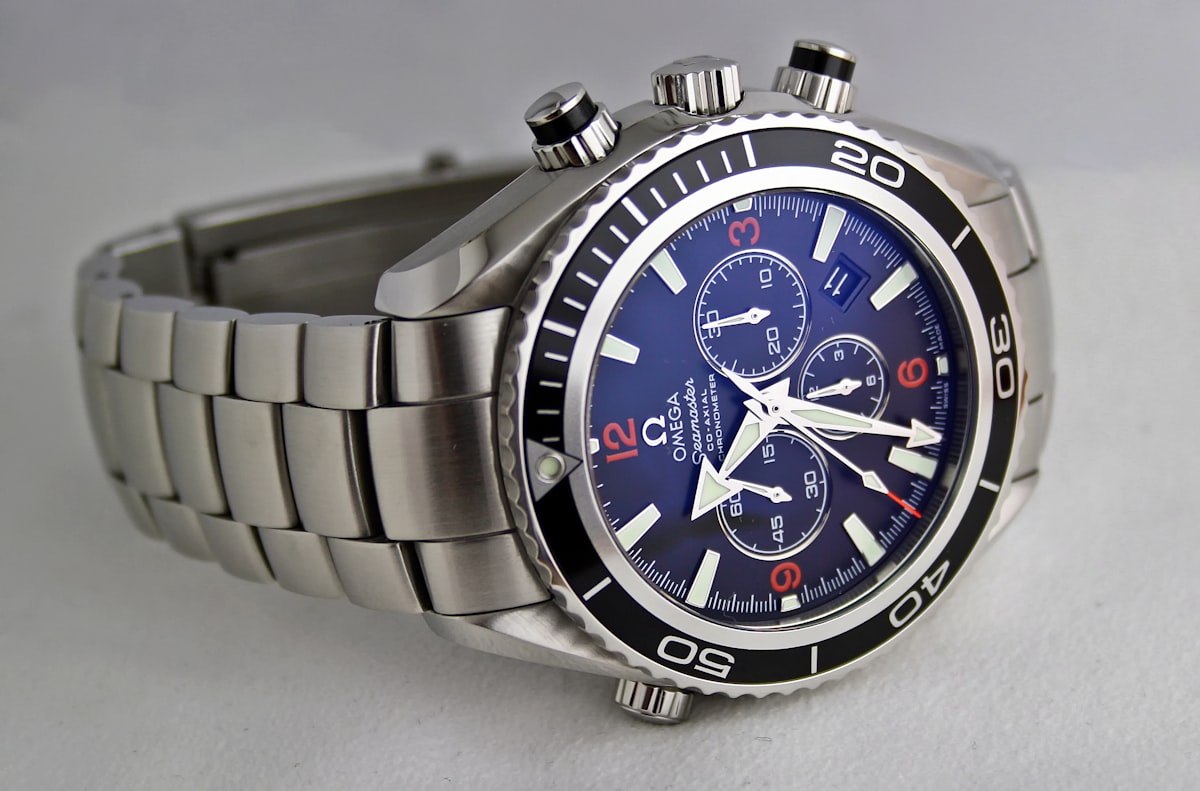
What Are the Best Luxury Watches in 2026?
The luxury watch industry in 2026 is navigating its most structurally challenging year in a decade, yet the market's resilience continues to astonish. After a period of extraordinary acceleration between 2020 and 2023, followed by a sharp correction that saw average prices drop approximately 31% to stabilize around $13,426, the industry has found firmer ground. The global luxury watch market is now growing at a measured 6% annually, driven by sustained demand from collectors, the 50th anniversary of iconic models, and the relentless pursuit of mechanical perfection by Switzerland's most revered manufactures.
A luxury watch in 2026 is far more than a timekeeping instrument. It is a statement of taste, a wearable asset, a mechanical sculpture, and for many, a multigenerational heirloom. The best luxury watches combine centuries of horological tradition with modern materials science, producing objects that appreciate in value while delivering daily pleasure.
This guide examines the top luxury watch brands, breaks down pricing across the spectrum, explores what features define a true luxury timepiece, and provides actionable guidance for choosing, buying, and investing in watches that transcend mere fashion.
What Are the Top Luxury Watch Brands?
The hierarchy of luxury watch brands in 2026 is shaped by a combination of sales volume, technical achievement, brand prestige, and secondary market performance.
Top 10 Luxury Watch Brands Ranked for 2026
| Rank | Brand | 2025 Turnover (Est.) | Market Share | Best Known For | Entry Price | Investment Grade |
|---|---|---|---|---|---|---|
| 1 | Rolex | CHF 11 billion | 33% | Submariner, Daytona, GMT-Master II | ~$6,000 | Highest |
| 2 | Cartier | CHF 3.488 billion | 9% | Tank, Santos, Ballon Bleu | ~$3,500 | Moderate |
| 3 | Audemars Piguet | CHF 2.6 billion | 6% | Royal Oak, Royal Oak Offshore | ~$25,000 | Very High |
| 4 | Patek Philippe | CHF 2.5 billion | 7% | Nautilus, Calatrava, Grand Complications | ~$20,000 | Highest |
| 5 | Omega | CHF 2.2 billion | 6% | Speedmaster, Seamaster, Constellation | ~$4,000 | Moderate-High |
| 6 | Richard Mille | CHF 1.8 billion | 5% | RM 67-01, RM 11-03, tourbillons | ~$120,000 | High |
| 7 | Longines | CHF 1.1 billion | 3% | Master Collection, HydroConquest | ~$1,500 | Low-Moderate |
| 8 | Vacheron Constantin | CHF 1.0 billion | 3% | Patrimony, Overseas, Historiques | ~$18,000 | Very High |
| 9 | Breitling | CHF 950 million | 3% | Navitimer, Superocean, Avenger | ~$4,000 | Moderate |
| 10 | Tissot | CHF 900 million | 3% | PRX, Le Locle, Seastar | ~$400 | Low |
Why Rolex dominates: Rolex is not merely the best-selling luxury watch brand; it is the reference point for the entire industry. With an estimated CHF 11 billion in annual turnover and a 33% market share, Rolex generates more revenue than its next three competitors combined. The brand's key advantage is liquidity: a well-maintained Rolex is one of the easiest luxury watches to sell, and its most iconic references consistently trade at or above retail on the secondary market.
Cartier at #2: Cartier's rise to the second position reflects the brand's unique position at the intersection of fine jewelry and fine watchmaking. The Tank, designed in 1917, remains one of the most elegant rectangular watches ever conceived. The Santos, created for aviator Alberto Santos-Dumont in 1904, is considered one of the first purpose-built pilot's watches.
Audemars Piguet and Patek Philippe: The two Geneva-based independent manufactures have extraordinary ability to command premiums. Audemars Piguet has built an entire brand identity around the Royal Oak. Patek Philippe produces perpetual calendars, minute repeaters, and split-seconds chronographs. Both brands have waiting lists measured in years.
How Much Do Luxury Watches Cost?
Luxury watch pricing in 2026 spans an extraordinary range, from accessible entry points below $1,000 to seven-figure masterpieces.
Luxury Watch Pricing Tiers (2026)
| Tier | Price Range | Representative Brands | What You Get |
|---|---|---|---|
| Accessible Luxury | $400 - $2,000 | Tissot, Longines, Hamilton | Swiss-made, ETA movements, solid quality |
| Entry Luxury | $2,000 - $6,000 | TAG Heuer, Breitling (entry), IWC (entry) | In-house or modified movements, brand heritage |
| Mid Luxury | $6,000 - $20,000 | Rolex (entry), Omega, Cartier, JLC | In-house movements, precious metals options, resale value |
| High Luxury | $20,000 - $50,000 | Patek Philippe (entry), AP (entry), Vacheron | Complications, hand-finishing, limited production |
| Ultra Luxury | $50,000 - $150,000 | Patek complications, AP tourbillons, Lange | Grand complications, enamel dials, haute horlogerie |
| Hyper Luxury | $150,000+ | Richard Mille, Patek rare pieces | Exotic materials, one-of-a-kind, investment-grade rarities |
Price Comparison: Iconic Models (2026)
| Model | Brand | Retail Price | Secondary Market | Key Feature |
|---|---|---|---|---|
| Submariner (No-Date) | Rolex | ~$9,100 | $10,000-$14,000 | 300m water resistance, iconic dive watch |
| Daytona (Steel) | Rolex | ~$14,000 | $20,000-$35,000 | Chronograph, most sought-after Rolex |
| Nautilus 5711 (Steel) | Patek Philippe | Discontinued | $110,000+ | Gerald Genta design, discontinued grail |
| Royal Oak (Steel) | Audemars Piguet | ~$25,000 | $35,000-$60,000 | Octagonal bezel, integrated bracelet |
| Speedmaster Professional | Omega | ~$6,500 | $5,000-$8,000 | Moon watch, NASA heritage |
| Tank Must (Large) | Cartier | ~$3,500 | $2,500-$4,000 | Rectangular icon, Roman numerals |
| Navitimer B01 | Breitling | ~$9,000 | $6,000-$9,000 | Slide rule bezel, aviation heritage |
| Reverso Classic | Jaeger-LeCoultre | ~$8,500 | $6,000-$10,000 | Flippable case, Art Deco design |
| RM 67-01 (Titanium) | Richard Mille | ~$265,000 | $200,000-$280,000 | Ultra-thin, Formula 1 materials |
| Overseas (Steel) | Vacheron Constantin | ~$22,000 | $18,000-$25,000 | Geneva Seal, luxury sports |
The secondary market reality: Rolex's steel sports models, Patek Philippe's Nautilus and Aquanaut, and Audemars Piguet's Royal Oak all trade at premiums above their retail prices due to deliberate supply constraints and overwhelming demand. Conversely, many brands from Omega to Breitling to IWC offer better value on the secondary market.
The 2023-2026 correction: After a speculative bubble that saw some watches double or triple in value between 2020 and 2022, the market experienced a sharp correction. Average prices dropped approximately 31% to stabilize around $13,426. In 2026, the market has found a floor, and prices for the most desirable references are once again trending upward.
What Features Do Luxury Watches Offer?
1. In-house movements. The hallmark of a true luxury watch is a movement designed, manufactured, and assembled by the brand itself. Rolex, Patek Philippe, and A. Lange & Söhne all produce their own calibers.
2. Hand-finishing. At the highest level, every component of a watch movement is finished by hand. Techniques like Geneva stripes, perlage, anglage, and blued screws transform functional metal into art.
3. Complications. A complication is any function beyond simple timekeeping: chronograph, perpetual calendar, tourbillon, minute repeater, GMT, and moon phase.
4. Precious materials. Luxury watches are crafted from 904L stainless steel, 18k gold, titanium, ceramic, carbon fiber, and even sapphire crystal.
5. Water resistance and durability. A true luxury sports watch must withstand real-world use. The Rolex Submariner offers 300 meters of water resistance. The Omega Seamaster is tested to 600 meters.
6. Chronometer certification. COSC certification guarantees accuracy within -4 to +6 seconds per day.
7. Heritage and provenance. The best luxury watches carry stories that add intangible value. The Omega Speedmaster was worn on the moon. The Rolex GMT-Master II was developed for Pan Am pilots.
How Do You Choose a Luxury Watch?
Step 1: Define your budget. The luxury watch market offers compelling options at every price point, from $400 Tissots to $2 million Patek Philippe grand complications.
Step 2: Identify your primary use case. A daily wearer needs robustness and versatility (Rolex Submariner, Omega Seamaster). A dress watch prioritizes elegance and thinness (Patek Calatrava, JLC Master Ultra Thin).
Step 3: Consider your wrist size and style. Try watches on before buying. Consider your personal style: minimalist (Nomos, JLC), bold (Hublot, AP), classic (Rolex, Patek), or artistic (Cartier, Vacheron).
Step 4: Research brand heritage and values. Some collectors prioritize independence. Others value innovation. Align your purchase with brands whose values resonate with you.
Step 5: Evaluate resale value. Focus on brands with proven secondary market performance: Rolex, Patek Philippe, and Audemars Piguet have the strongest track records.
Step 6: Buy from authorized dealers or trusted specialists. Always verify authenticity, condition, and provenance. Insist on original box, papers, and service records.
What Is the Most Popular Luxury Watch Brand?
By virtually every metric, Rolex remains the undisputed leader. Rolex produces approximately 1.2 million watches per year, yet demand far outstrips supply. The brand's most popular references have waiting lists that stretch from months to years at authorized dealers. This artificial scarcity, combined with genuine product excellence, has created a secondary market where steel Rolex sports models trade at 20-100% above retail.
Patek Philippe's prestige: While Rolex leads in volume, Patek Philippe leads in prestige. The brand's slogan, "You never actually own a Patek Philippe. You merely look after it for the next generation," encapsulates its positioning as a multigenerational asset.
The 50th anniversary of the Nautilus: 2026 marks the 50th anniversary of the Patek Philippe Nautilus. With a major exhibition slated for October in Milan, the anniversary is expected to drive renewed interest in both vintage and current Nautilus references.
Are Luxury Watches a Good Investment?
The investment case for luxury watches is one of the most debated topics in collecting. The short answer is: some watches are excellent investments, but most are not.
Proven investment performers:
| Model | 2020 Price | 2026 Price | Appreciation |
|---|---|---|---|
| Patek Philippe Nautilus 5711 | €30,000 | €110,000+ | +266% |
| Omega Speedmaster Snoopy | €9,000 | €20,000-€25,000 | +122% |
| Rolex Submariner "Hulk" | €10,000 | €17,000-€20,000 | +80% |
| AP Royal Oak Jumbo 15202ST | €35,000 | €60,000+ | +71% |
| Rolex GMT-Master II "Pepsi" | €12,500 | €15,000-€18,000 | +20% |
Investment rules for 2026:
- Buy what you love. The best investments are watches you would keep even if they never appreciated.
- Focus on steel sports models. These references have the strongest track records.
- Avoid limited editions from non-prestige brands. True scarcity comes from production constraints at brands like Rolex and Patek.
- Preserve condition and documentation. Original box, papers, and service records are essential.
- Buy from reputable sources. Only buy from authorized dealers or established pre-owned specialists.
- Think long-term. Watch investments require 5-10 year holding periods.
- Diversify within watches. Build a collection across brands, styles, and price points.
- Insure your collection. Specialist watch insurance covers loss, theft, and accidental damage.
What Luxury Watches Hold Their Value?
| Rank | Brand | Average Value Retention | Best-Performing References |
|---|---|---|---|
| 1 | Patek Philippe | 120-300% of retail | Nautilus 5711, Aquanaut, Grand Complications |
| 2 | Rolex | 80-120% of retail | Daytona, Submariner, GMT-Master II |
| 3 | Audemars Piguet | 90-150% of retail | Royal Oak, Royal Oak Offshore |
| 4 | Vacheron Constantin | 70-90% of retail | Overseas, Patrimony, Historiques |
| 5 | A. Lange & Söhne | 60-80% of retail | Lange 1, Datograph, Zeitwerk |
| 6 | Omega | 50-70% of retail | Speedmaster, Seamaster, limited editions |
| 7 | Cartier | 50-70% of retail | Tank, Santos, rare vintage |
The Rolex Submariner: Best Luxury Watch? The Rolex Submariner is arguably the most important luxury watch ever created. Introduced in 1953, it defined the modern dive watch. The current reference offers 300 meters of water resistance, a Cerachrom ceramic bezel, Chromalight luminescence, and Rolex's caliber 3235 movement with a 70-hour power reserve. It retains 90-110% of its retail value on the secondary market, making it one of the safest purchases in luxury goods.
Patek Philippe Nautilus: What to Know The Patek Philippe Nautilus is the most coveted luxury sports watch in the world. Designed by Gerald Genta in 1976, its porthole-shaped case and integrated bracelet are synonymous with understated wealth. The reference 5711/1A, discontinued in 2021, now trades for over $110,000 on the secondary market, a 266% appreciation.
Best Luxury Watches for Daily Wear
| Watch | Brand | Price | Why It's Perfect |
|---|---|---|---|
| Submariner | Rolex | $9,100 | 300m WR, timeless design, bulletproof |
| Seamaster 300M | Omega | $5,400 | Master Chronometer, James Bond pedigree |
| Speedmaster Professional | Omega | $6,500 | Iconic, versatile, historically significant |
| Datejust 36 | Rolex | $7,500 | Dress-to-casual versatility |
| Santos (Medium) | Cartier | $6,500 | Square case, comfortable, instantly recognizable |
| Black Bay 58 | Tudor | $3,700 | 39mm size, vintage charm, Rolex-adjacent quality |
| PRX Powermatic 80 | Tissot | $650 | Integrated bracelet, 80-hour reserve, unbeatable value |
| Pilot's Watch Mark XX | IWC | $4,500 | Clean dial, legible, aviation history |
| Aquanaut 5167A | Patek Philippe | $22,000 | Rubber strap, 120m WR, understated luxury |
Last updated: July 2026. Prices and market conditions are subject to change. Always verify current pricing with authorized dealers before purchasing.