What Are the Best Luxury Jewelry Brands in 2026?
The luxury jewelry market in 2026 is experiencing a remarkable renaissance, driven by a convergence of factors that have elevated fine jewelry from adornment to alternative asset class. Global sales of luxury jewelry reached an estimated $78 billion in 2025, with the ultra-luxury segment (pieces priced above $50,000) growing at 14% annually. This growth is fueled by a new generation of collectors who view jewelry not merely as decoration but as a store of value, a family heirloom, and a tangible connection to centuries of craftsmanship.
The best luxury jewelry brands in 2026 are defined by four pillars: heritage, craftsmanship, scarcity, and investment performance. Cartier, the world's second-most valuable watch and jewelry brand at $12.4 billion, continues to dominate with its iconic Love collection and Panthere designs. Tiffany & Co., valued at $4.2 billion following its LVMH acquisition, has reinvented itself under new creative leadership while preserving its position as the world's most trusted engagement ring destination. Van Cleef & Arpels, the quiet powerhouse of the sector, commands extraordinary premiums on the secondary market, with its Alhambra motif achieving near-cult status.
This guide examines the top luxury jewelry brands and their defining collections, breaks down pricing across categories, explores what makes fine jewelry a compelling investment, and provides practical guidance for choosing, buying, and caring for pieces that deliver both beauty and lasting value.
What Are the Top Luxury Jewelry Brands?
The hierarchy of luxury jewelry brands in 2026 is shaped by a combination of heritage, technical mastery, design innovation, and secondary market performance. While dozens of brands compete across different price tiers, a clear top tier has emerged.
Top 10 Luxury Jewelry Brands Ranked for 2026
| Rank | Brand | Founded | Best Known For | Entry Price | Ultra-Luxury Price | Key Strength |
|---|---|---|---|---|---|---|
| 1 | Cartier | 1847 | Love Bracelet, Trinity, Panthere | $2,500 | $500,000+ | Iconic designs, impeccable craftsmanship |
| 2 | Tiffany & Co. | 1837 | Engagement Rings, Return to Tiffany | $1,500 | $1,000,000+ | America's jeweler, diamond expertise |
| 3 | Van Cleef & Arpels | 1906 | Alhambra Collection, Mystery Setting | $2,500 | $2,000,000+ | Poetic craftsmanship, rarity |
| 4 | Bulgari | 1884 | Serpenti, B.zero1 | $2,000 | $800,000+ | Roman glamour, colored gemstones |
| 5 | Graff Diamonds | 1960 | Rare Diamonds, Custom Pieces | $10,000 | $100,000,000+ | World's finest diamonds |
| 6 | Harry Winston | 1932 | Diamond Jewelry, Engagement Rings | $5,000 | $50,000,000+ | The King of Diamonds |
| 7 | Chopard | 1860 | Happy Diamonds, Red Carpet Collection | $2,000 | $10,000,000+ | Ethical gold, haute joaillerie |
| 8 | Boucheron | 1858 | Nature-Inspired, Quatre Collection | $1,500 | $500,000+ | French audacity, architectural designs |
| 9 | Piaget | 1874 | Watch-Jewelry Hybrids, Possession | $3,000 | $500,000+ | Ultra-thin craftsmanship, colored stones |
| 10 | David Yurman | 1980 | Cable Bracelet, American Design | $500 | $100,000+ | Accessible luxury, American heritage |
Why Cartier leads the ranking: Cartier is not merely a jewelry brand; it is the jewelry brand. Founded in 1847 by Louis-Francois Cartier, the Maison has been creating pieces for royalty, celebrities, and discerning collectors for 179 years. The Love Bracelet, introduced in 1969, requires a special screwdriver to fasten, symbolizing a commitment that can only be unlocked by another person. It has sold millions of units and remains Cartier's most iconic collection. The Trinity ring, designed in 1924 by Louis Cartier for Jean Cocteau, features three interlaced bands in white, yellow, and rose gold, representing love, fidelity, and friendship. The Panthere de Cartier collection, with its panther motif first introduced in 1914, has become synonymous with the brand's spirit of audacity and freedom. With an estimated brand value of $12.4 billion, Cartier is the most valuable jewelry brand in the world, and its pieces routinely achieve premium prices at auction.
Tiffany & Co.'s diamond authority: Since its founding in 1837, Tiffany & Co. has established itself as the world's foremost authority on diamonds and engagement rings. The Tiffany Setting, introduced in 1886, revolutionized the engagement ring industry by elevating the diamond above the band with six prongs, allowing maximum light to enter the stone. The brand's association with Audrey Hepburn's Breakfast at Tiffany's cemented its place in popular culture. Following its acquisition by LVMH in 2021, Tiffany has undergone a strategic repositioning under new creative leadership, focusing on its heritage of diamond craftsmanship while updating its marketing to appeal to younger consumers. Generation Z buyers now account for 28% of engagement ring purchases, and Tiffany's marketing campaigns featuring timeless elegance rather than fleeting trends have positioned it to capture this demographic.
Van Cleef & Arpels' poetic craftsmanship: Van Cleef & Arpels occupies a unique position in the jewelry hierarchy. The brand is revered not for celebrity endorsements or aggressive marketing but for its extraordinary craftsmanship and poetic approach to design. The Alhambra collection, featuring a four-leaf clover motif developed in 1968, has become one of the most recognizable and sought-after designs in jewelry. The brand's Mystery Setting technique, which creates the illusion of a seamless gemstone surface with no visible prongs, is a closely guarded secret that has been perfected over generations. On the secondary market, Van Cleef & Arpels pieces command premiums of 30-60% above retail, with rare Alhambra pieces achieving even higher multiples.
Notable Luxury Jewelry Collections by Brand (2026)
| Collection | Brand | Price Range | Why It Matters |
|---|---|---|---|
| Love Bracelet | Cartier | $7,200+ | The ultimate symbol of commitment, requires screwdriver to fasten |
| Panthere | Cartier | $10,000+ | Pantheon motif, 1914 origin, art deco icon |
| Trinity | Cartier | $1,000+ | Three bands representing love, fidelity, friendship |
| Tiffany Setting | Tiffany & Co. | $12,000+ | World's most iconic engagement ring, six-prong setting |
| Alhambra | Van Cleef & Arpels | $2,500+ | Four-leaf clover motif, near-cult status |
| Serpenti | Bulgari | $5,000+ | Snake motif, Cleopatra's jewelry, iconic coil design |
| B.zero1 | Bulgari | $2,000+ | Roman Colosseum inspiration, contemporary icon |
| Happy Diamonds | Chopard | $3,000+ | Free-floating diamonds between sapphire crystal faces |
| Cable Bracelet | David Yurman | $500+ | Twisted cable motif, most accessible luxury jewelry |
How Much Does Luxury Jewelry Cost?
Luxury jewelry pricing in 2026 spans an extraordinary range, from accessible gold and silver pieces to museum-quality diamonds that command tens of millions at auction.
Luxury Jewelry Pricing Tiers (2026)
| Tier | Price Range | Representative Brands | What You Get |
|---|---|---|---|
| Accessible Luxury | $500 - $2,500 | David Yurman, Tiffany Silver, Cartier Trinity | Sterling silver, gold-plated, entry-level gold |
| Entry Fine | $2,500 - $10,000 | Cartier Love, Van Cleef Vintage Alhambra, Bulgari B.zero1 | 18K yellow/white/rose gold, small diamonds, iconic designs |
| Mid Fine | $10,000 - $50,000 | Tiffany Engagement, Van Cleef Frivole, Chopard Happy Diamonds | Quality diamonds, colored gemstones, intricate settings |
| High Fine | $50,000 - $250,000 | Graff, Harry Winston, Cartier High Jewelry | Rare diamonds, exceptional gemstones, hand-crafted pieces |
| Ultra Luxury | $250,000 - $1,000,000 | Graff, Van Cleef Mystery Sets, Harry Winston | Fancy colored diamonds, flawless stones, investment-grade |
| Masterpiece | $1,000,000+ | Graff Les Pierres, Museum-quality pieces | World-record stones, one-of-a-kind creations, auction stars |
Average Pricing by Category (2026)
| Category | Entry Level | Mid Range | High End |
|---|---|---|---|
| Engagement Rings | $5,000 - $15,000 | $15,000 - $50,000 | $50,000 - $500,000 |
| Diamond Stud Earrings | $2,000 - $8,000 | $8,000 - $30,000 | $30,000 - $150,000 |
| Diamond Tennis Bracelets | $3,000 - $12,000 | $12,000 - $50,000 | $50,000 - $200,000 |
| Gold Chains/Necklaces | $1,500 - $5,000 | $5,000 - $20,000 | $20,000 - $100,000 |
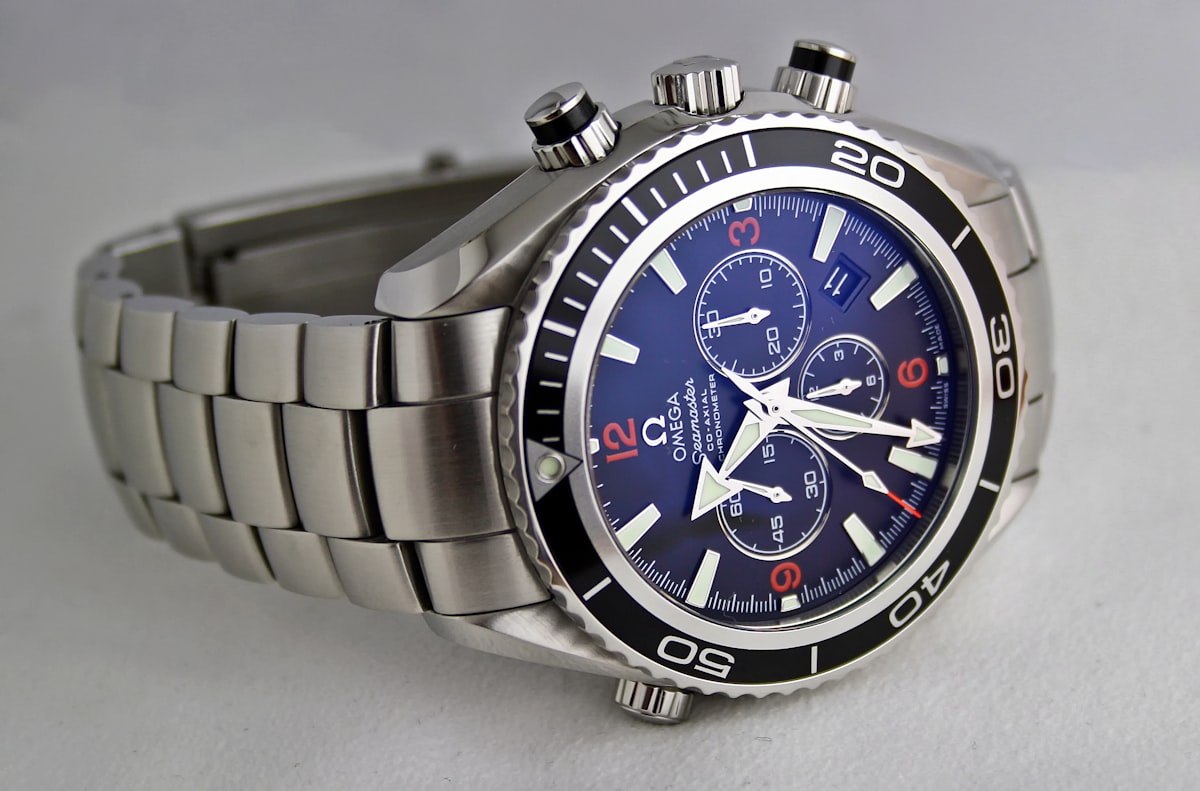
| Luxury Watches | $3,000 - $10,000 | $10,000 - $50,000 | $50,000 - $500,000 |
| High Jewelry Necklaces | $50,000 - $200,000 | $200,000 - $1,000,000 | $1,000,000 - $10,000,000 |
Diamond Pricing by Quality (2026)
| Quality Grade (4Cs) | 1 Carat | 2 Carats | 3 Carats | 5 Carats |
|---|---|---|---|---|
| D-IF (Flawless, D Color) | $25,000 - $35,000 | $60,000 - $90,000 | $120,000 - $180,000 | $300,000 - $500,000 |
| D-VS1 (Excellent) | $18,000 - $25,000 | $45,000 - $65,000 | $90,000 - $140,000 | $200,000 - $350,000 |
| G-VS2 (Very Good) | $12,000 - $18,000 | $30,000 - $45,000 | $60,000 - $95,000 | $150,000 - $250,000 |
| J-SI1 (Good) | $7,000 - $12,000 | $18,000 - $30,000 | $35,000 - $60,000 | $80,000 - $150,000 |
What Features Do Luxury Jewelry Offer?
The features that distinguish luxury jewelry from mass-market pieces are often invisible to the untrained eye but immediately apparent to connoisseurs. They encompass materials, craftsmanship, design integrity, and the intangible value of heritage.
Essential Luxury Jewelry Features
1. Precious metals. Luxury jewelry is crafted from noble metals that maintain their beauty over time. 18K gold (75% pure gold) is the standard for fine jewelry, offering the perfect balance of purity, durability, and color. Platinum is preferred for engagement ring settings due to its strength and natural white luster. Palladium and rose gold remain popular alternatives. The best brands use only ethically sourced metals, with Chopard leading the industry in 100% ethical gold sourcing since 2018.
2. Gemstone quality. The quality of diamonds and colored gemstones is the single most important determinant of luxury jewelry value. The Four Cs of diamond grading (Carat, Cut, Color, Clarity) establish objective standards. At the luxury level, diamonds typically grade D-F in color (colorless) and IF-VS2 in clarity (internally flawless to very slightly included). Colored gemstones, including rubies, sapphires, emeralds, and alexandrites, are evaluated on color saturation, clarity, cut, and carat weight. The finest examples, known as "Burma rubies" or "Kashmir sapphires," command extraordinary premiums.
3. Craftsmanship. The difference between a good piece of jewelry and a great one is visible in the craftsmanship. Luxury pieces feature:
- Hand-setting: Each stone is individually placed by a master setter using techniques like pave, bezel, and prong setting
- Mystery setting: Van Cleef & Arpels' patented technique creates invisible stone surfaces
- Milgrain detailing: Tiny beads of metal create a textured, vintage-inspired edge
- Hand-polishing: The metal is polished to a mirror finish that reflects maximum light
- Screw and hinge mechanisms: The Cartier Love bracelet's screw mechanism requires precision engineering
4. Hallmarks and certification. All luxury jewelry should bear hallmarks indicating metal purity (e.g., 750 for 18K gold) and, for significant diamonds, certification from GIA (Gemological Institute of America) or Gubelin. Luxury brands provide detailed documentation, including diamond grading reports, origin certificates, and authenticity cards.
5. Design integrity. Luxury jewelry is designed to be timeless rather than trendy. Cartier's Trinity ring has been in continuous production since 1924. Van Cleef's Alhambra has been produced since 1968 with minimal design changes. This design permanence ensures that pieces remain relevant and desirable across generations, supporting their value retention.
Feature Comparison: Entry vs. Ultra-Luxury Jewelry
| Feature | Accessible Luxury ($500-$2K) | Ultra-Luxury ($50K+) |
|---|---|---|
| Metal | Sterling silver, 9-14K gold | 18-24K gold, platinum, palladium |
| Diamonds | Small melee, SI-SI clarity | D-VVS clarity, ideal cut |
| Gemstones | Treated, commercial quality | Natural, untreated, exceptional color |
| Setting | Machine-assisted, cast | Hand-set, individually positioned |
| Craftsmanship | Good quality control | Artisanal, master jeweler |
| Certification | Brand authenticity card | GIA/Gubelin report, provenance |
| Resale | 20-40% of retail | 60-120% of retail |
| Heritage | Modern designs | Historic Maison, centuries of tradition |
How Do You Choose Luxury Jewelry?
Choosing luxury jewelry is a deeply personal decision that should balance emotional resonance, practical considerations, and investment potential.
The Decision Framework
Step 1: Define your purpose. Are you buying for yourself as a personal reward? For a partner as an engagement ring or anniversary gift? As an investment to diversify your portfolio? Each purpose implies different criteria. Self-purchase jewelry can reflect personal taste without concern for resale. Investment jewelry prioritizes classic designs and market liquidity. Gift jewelry must balance the recipient's style, lifestyle, and the symbolic meaning of the piece.
Step 2: Establish your budget. Be realistic about what you can spend, and remember that jewelry is a long-term purchase. A $10,000 engagement ring worn daily for 20 years costs less than $1.50 per day. A $50,000 diamond necklace worn for 10 special occasions per year over 30 years costs approximately $167 per wear. Consider both the upfront cost and the lifetime value.
Step 3: Research the Four Cs. For diamond purchases, understand how the Four Cs affect price and appearance. Carat weight has the most dramatic impact on price per carat due to rarity at larger sizes. Cut has the greatest impact on beauty, determining how light moves through the stone. Color and clarity are secondary factors that matter more at higher grades. A well-cut G-VS2 diamond can appear more beautiful than a poorly-cut D-IF stone.
Step 4: Choose a reputable brand or jeweler. Established brands offer guaranteed quality, authentication, and after-sales service. Independent jewelers may offer better value but require careful vetting. For investment-grade pieces, brand matters enormously: Cartier, Van Cleef, and Tiffany hold value significantly better than lesser-known makers.
Step 5: Verify authenticity. Always buy from authorized retailers, brand boutiques, or reputable second-hand specialists. Request original packaging, authentication cards, and grading reports. For significant purchases, consider independent appraisal from a GIA-certified gemologist.
Step 6: Consider lifestyle compatibility. A delicate diamond tennis bracelet may not survive daily wear in a profession that involves manual work. An oversized cocktail ring may be impractical for everyday use. Choose pieces that align with how you live, not just how you want to appear.
Budget-Based Recommendations
| Budget | Best Options | Why |
|---|---|---|
| Under $1,000 | Tiffany Silver, David Yurman Cable, Cartier Trinity rings | Entry to iconic Maisons, quality metals |
| $1,000 - $5,000 | Cartier Love rings, Van Cleef Alhambra, Bulgari B.zero1 | Iconic designs, gold, small diamonds |
| $5,000 - $15,000 | Cartier Love bracelet, Tiffany engagement ring | Investment-grade, significant diamonds |
| $15,000 - $50,000 | Van Cleef Frivole, Chopard Happy Diamonds, Graff studs | Exceptional gemstones, high jewelry craftsmanship |
| $50,000 - $200,000 | Harry Winston, Graff diamond necklace, Van Cleef Mystery | Rare diamonds, one-of-a-kind designs |
| $200,000+ | Graff fancy colored diamonds, Cartier high jewelry | World-class stones, museum-quality pieces |
What Is the Most Popular Luxury Jewelry Brand?
Popularity in luxury jewelry can be measured by brand value, revenue, social media mentions, or secondary market activity. By different metrics, the leaders are:
Popularity Metrics Comparison
| Metric | Leader | Why |
|---|---|---|
| Brand value | Cartier ($12.4B) | Second-most valuable watch/jewelry brand, global recognition |
| Revenue | Cartier (€6.2B in 2025) | Broad product range, deep market penetration |
| Engagement rings | Tiffany & Co. | The Setting (1886) is the world's most iconic ring |
| Social media mentions | Cartier Love Bracelet | Most photographed jewelry piece on Instagram |
| Secondary market volume | Cartier Love / Van Cleef Alhambra | Most traded luxury jewelry pieces |
| Resale premium | Van Cleef & Arpels Alhambra | 30-60% above retail for rare pieces |
| Cultural cachet | Cartier / Van Cleef | Worn by royalty, celebrities, tastemakers |
Cartier: The world's most valuable jewelry brand. Cartier's $12.4 billion brand valuation reflects its unparalleled heritage, global reach, and consistent desirability. The Love Bracelet, Tiffany's most famous design, has been worn by Elizabeth Taylor, Sophia Loren, the Kardashians, and Prince Charles (who proposed to Camilla with a Cartier engagement ring). The Trinity ring has been produced without interruption since 1924, a testament to its timeless appeal. Cartier's high jewelry collections, featuring rare diamonds and colored gemstones, routinely sell for $500,000 to $5 million at auctions.
Tiffany & Co.: America's jeweler. Tiffany's cultural resonance is unmatched. Audrey Hepburn's Breakfast at Tiffany's, the iconic Tiffany Blue Box, and the Tiffany Setting engagement ring have cemented the brand in the public imagination. Under LVMH ownership, Tiffany has expanded its high jewelry offerings while maintaining its position as the world's leading engagement ring destination. The brand's diamond expertise, backed by a dedicated gemological laboratory, gives customers confidence in the quality and provenance of their purchases.
Is Luxury Jewelry a Good Investment?
The investment case for luxury jewelry is nuanced. While certain pieces have demonstrated remarkable appreciation, not all luxury jewelry is a financial asset.
Luxury Jewelry as Investment: Pros and Cons
| Factor | Pros | Cons |
|---|---|---|
| Appreciation | Iconic designs like Van Cleef Alhambra have appreciated 30-60% above retail | Most jewelry depreciates 30-50% upon purchase |
| Liquidity | Strong secondary market for Cartier, Van Cleef, Rolex | Niche brands can take months to sell |
| Tangible asset | Physical object with intrinsic gold/gemstone value | Requires secure storage, insurance |
| Emotional value | Can be enjoyed while appreciated | Sentimental attachment may prevent sale |
| Inflation hedge | Gold and diamonds historically maintain purchasing power | Dependent on market conditions |
| Portability | High value in small physical package | Cannot carry a fortune through customs easily |
| Heritage | Can be passed down through generations | Maintenance costs add up over decades |
Proven Investment Performers
| Piece | 2020 Retail | 2026 Retail/Secondary | Appreciation | Why It Performed |
|---|---|---|---|---|
| Van Cleef Vintage Alhambra 5-motif | $4,500 | $8,500+ (secondary) | +89% | Scarcity, iconic design, collector demand |
| Cartier Love Bracelet (Classic) | $6,350 | $7,200+ (retail), $5,500+ (secondary) | +13% retail, strong retention | Universal recognition, sentiment-driven demand |
| Cartier Panthere Ring | $3,200 | $4,500+ (secondary) | +41% | Art deco revival, limited availability |
| Graff 1-Carat D-IF Round | $32,000 | $40,000+ | +25% | Rarity of top-grade diamonds, GIA certification |
| Rolex Daytona (SS Ceramic) | $14,500 | $35,000+ (secondary) | +141% | Manufactured scarcity, watch-investment cross-category |
| Tiffany Setting 1.5ct D-VS1 | $25,000 | $28,000+ | +12% | Engagement demand, diamond price stability |
Investment Rules for 2026
Buy from top-tier Maisons. Cartier, Van Cleef, Tiffany, Graff, and Harry Winston hold value. Lesser brands, even with high prices, do not have the secondary market demand.
Focus on iconic designs. Love, Alhambra, Serpenti, and Trinity are proven performers. Limited editions and special collaborations may appreciate but carry higher risk.
Prioritize condition. Never wear investment pieces. Store in original packaging with all documentation. Even minor scratches can reduce value by 20-30%.
Buy diamonds by the grade. A D-Flawless diamond is an investment. A J-SI2 diamond with the same carat weight is a personal purchase. Always request GIA or Gubelin certification.
Think long-term. Jewelry investments require 5-10 year holding periods. Transaction costs (buyer's premium at auction, dealer margins) are significant and require time to overcome.
Insure properly. Schedule high-value pieces on your homeowner's policy or a dedicated jewelry insurance policy. Appraise every 3-5 years to maintain coverage at current replacement value.
Consider colored gemstones. The rarest colored stones (Burma rubies, Kashmir sapphires, Colombian emeralds) have outperformed diamonds in recent years, though liquidity is lower.
What Luxury Jewelry Holds Its Value?
Value retention in luxury jewelry is concentrated in specific brands, styles, and categories. Understanding what holds value is essential for making informed purchases.
Value Retention Rankings (2026)
| Rank | Item | Value Retention | Key Factor |
|---|---|---|---|
| 1 | Van Cleef Alhambra (rare motifs) | 130-160% of retail | Extreme scarcity, collector frenzy |
| 2 | Rolex watches (steel sports) | 120-200% of retail | Manufactured scarcity, global demand |
| 3 | Cartier Panthere (vintage) | 100-140% of retail | Art deco revival, limited supply |
| 4 | Van Cleef Alhambra (classic) | 100-130% of retail | Iconic design, limited production |
| 5 | Cartier Love Bracelet | 75-100% of retail | Universal demand, sentiment-driven |
| 6 | Graff D-IF diamonds | 90-120% of retail | Rarity of top-grade, certification |
| 7 | Tiffany Engagement Ring | 60-90% of retail | Emotional purchase, less liquid secondary |
| 8 | Bulgari Serpenti (vintage) | 60-100% of retail | Collectible, design-driven |
| 9 | Chopard Happy Diamonds | 50-80% of retail | Niche appeal, good for personal wear |
| 10 | David Yurman Cable | 40-60% of retail | Accessible luxury, wide availability |
Tiffany & Co.: Best Luxury Jewelry for Engagement? When it comes to engagement rings, Tiffany & Co. remains the gold standard. The Tiffany Setting, patented in 1886, was the first engagement ring to elevate the diamond above the band, maximizing light reflection and creating the appearance of a larger stone. Brand matters enormously for engagement rings—a 1.5-carat D-VS1 diamond set in a Tiffany Setting commands a significant premium over the same stone set by a lesser jeweler. This premium is justified by Tiffany's diamond expertise, rigorous grading standards, and the intangible value of the Tiffany Blue Box experience.
Cartier Love Bracelet: What to Know The Cartier Love Bracelet is the best-selling luxury jewelry piece of all time, with millions of units sold since its 1969 introduction. Designed by Aldo Cipullo in New York, the bracelet represents liberated, modern love. Its screw mechanism requires a partner to fasten, making the act of putting it on and removing it symbolic. The classic version in 18K yellow gold retails for $7,200, while diamond-set versions range from $15,000 to $50,000+. On the secondary market, the Love Bracelet retains 75-100% of retail value, making it one of the best value-retaining jewelry purchases outside of investment-grade rarities. The Love collection has expanded to include rings, earrings, and necklaces, each carrying the same distinctive screw-head motif.
How to Buy Luxury Jewelry
1. Brand boutiques. Buying from Cartier, Tiffany, Van Cleef, or Bulgari boutiques ensures authenticity, warranty, and the full luxury experience. Boutique staff are trained to educate customers about craftsmanship and design heritage. This is the safest, most expensive option.
2. Authorized retailers. Department stores like Neiman Marcus, Harrods, and Bergdorf Goodman sell luxury jewelry from authorized stock. They offer the same authenticity guarantees as boutiques, often with better return policies and payment options.
3. Pre-owned specialists. The Watch Box, Watchfinder, and The RealReal offer authenticated pre-owned jewelry with buyer protection. For Van Cleef and Cartier in particular, pre-owned is often the smartest way to buy, as secondary market prices may be below current retail for common pieces.
4. Auction houses. Christie's, Sotheby's, and Phillips handle the rarest and most valuable jewelry. Their biannual jewelry sales are where world-record prices are set. Auctions are the best source for investment-grade oddities and vintage pieces. Buyer's premiums (20-25%) must be factored into the total cost.
5. Estate sales and vintage dealers. Specialist dealers in vintage jewelry offer access to discontinued collections and pieces from earlier eras that may not be reproducible. A mid-century Van Cleef clip or a 1970s Cartier panther ring can be found through these channels.
Best Luxury Jewelry for Engagements
For engagement rings, the decision framework is different from other jewelry purchases. Emotional significance, daily wear considerations, and budget are the primary drivers.
| Setting | Brand | Price Range | Why It's a Classic |
|---|---|---|---|
| Tiffany Setting (6-prong) | Tiffany & Co. | $10,000 - $100,000+ | World's most iconic engagement ring, 1886 patent |
| Soleste (halo) | Tiffany & Co. | $8,000 - $50,000 | Diamond halo, vintage-inspired, maximum sparkle |
| True (4-prong) | Cartier | $10,000 - $80,000 | Minimalist, architectural, signature 1895 setting |
| Destinée (pavé) | Cartier | $15,000 - $100,000 | Full diamond band, maximum brilliance |
| 1837 Collection | Tiffany & Co. | $750+ | Gold bands, non-diamond, modern aesthetic |
| Leigh (3-stone) | Graff | $50,000 - $500,000 | Past, present, future symbolism, exceptional diamonds |
Choosing an engagement ring: The most important factors are the diamond's cut (which determines its brilliance), the setting's security (a 6-prong Tiffany Setting is safer than a 4-prong on an active hand), and the recipient's style (classic solitaire, vintage halo, or modern bezel). Always buy from a brand with a lifetime warranty and resizing policy. A GIA-certified 1-carat D-VS1 round brilliant in a Tiffany Setting is the benchmark against which all engagement rings are measured.
Last updated: July 2026. Prices and market conditions are subject to change. Always verify current pricing with authorized retailers before purchasing.